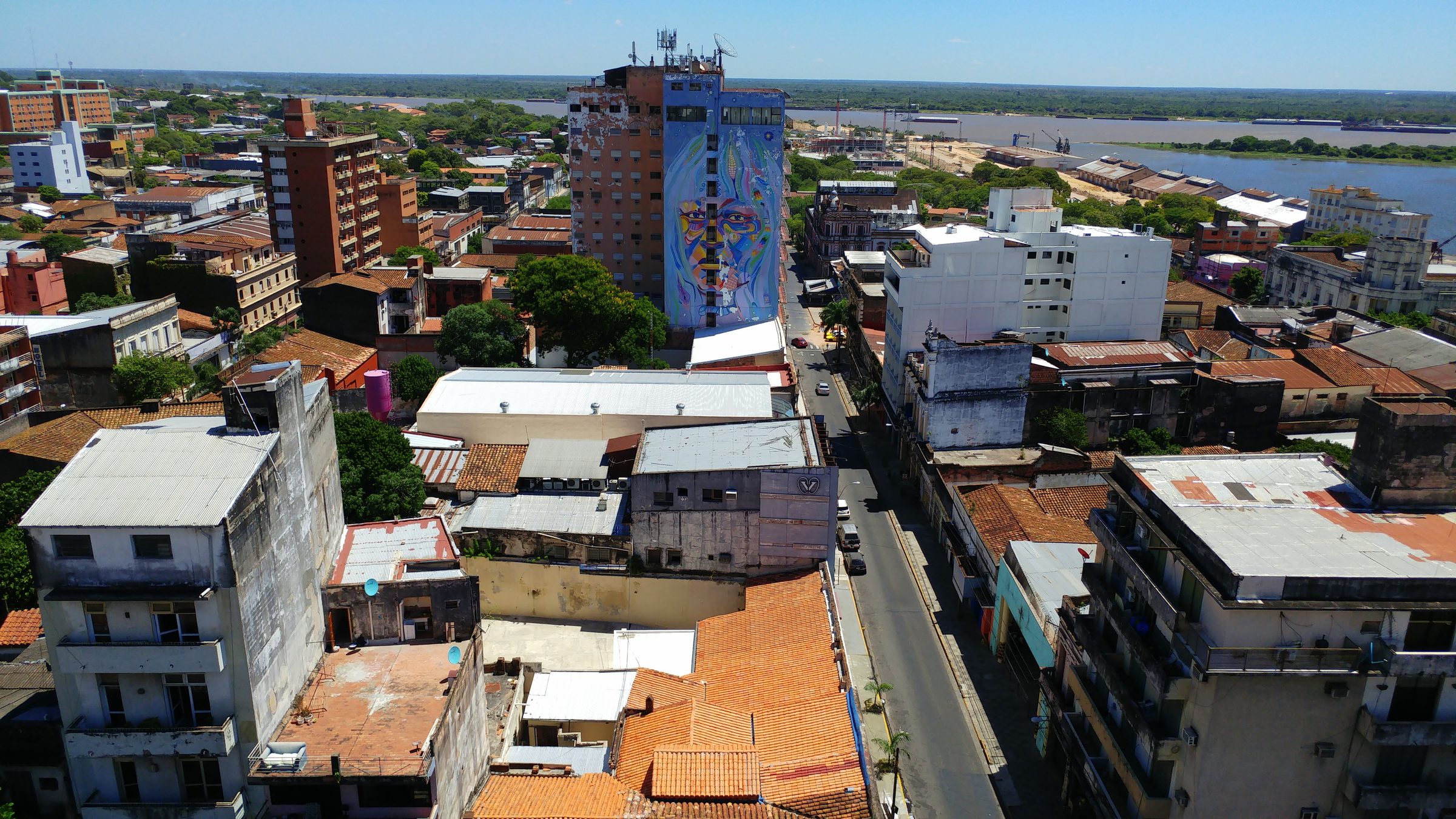
Educational information
1. Asunción or Greater Asunción?
Asunción holds the national institutions, most private services and the main business corridors. Around it are separate municipalities such as San Lorenzo, Luque, Fernando de la Mora, Lambaré and Mariano Roque Alonso.
The city usually means more services nearby. The metro area can mean more space for less money, but also more driving. Compare real commutes before you compare prices.
2. Choosing a neighborhood: test your routine
- Mark five destinations: work, school, healthcare, groceries and the people you visit.
- Drive the route at the real time of day, once at night and, if you can, in the rain.
- Walk the block: lighting, sidewalks, noise, construction, drainage and parking.
- In the unit, check: mobile signal, internet, water pressure, air conditioning and the building's backup generator.
The City of Asunción publishes its cadastral map and zoning plan (Plan Regulador).
3. Rent before you buy
Renting for a few months lets you test an area before a long commitment. Leases fall under Paraguay's Civil Code (Law 1183/1985), but in practice the contract sets the rules.
Before you pay:
- confirm who owns the property or is authorized to rent it;
- itemize rent, deposit, fee, building charges («expensas»), utilities and adjustments;
- read the term, notice period and early-exit penalty;
- make a dated photo inventory and note the meter readings;
- pay by bank transfer and get a receipt.
4. What it costs to live in Asunción
We don't publish an «average cost of living»: it varies by neighborhood, building and lifestyle. Build your budget in five parts:
| Part | What goes in |
|---|---|
| Arrival (one-off) | Flights, temporary housing, deposit, fees, moving, furniture, documents and translations |
| Fixed monthly | Rent or installment, building charges, school, health insurance, internet and phone |
| Variable monthly | Power, water, groceries, fuel, transport and leisure (price a normal month and a summer month) |
| Yearly ÷ 12 | Insurance, taxes, maintenance and trips home |
| Reserve | Health, the unexpected and exchange-rate swings |
5. Utilities and emergencies
- Power: ANDE, the state utility. Ask for the account number (NIS) and check the bills and consumption online.
- Water: ESSAP or a local sanitation board, depending on the area. The sector is regulated by ERSSAN (Law 1614/2000).
- Internet: CONATEL publishes the register of licensed providers. Test the speed in the unit before signing.
- Emergencies:
- 911, National Police;
- 141, medical emergencies and ambulances (SEME);
- 132, Volunteer Fire Department.
6. Climate
Summers are long and hot. In February 2025, Paraguay's Directorate of Meteorology and Hydrology recorded new daily maximum-temperature records; in Asunción, a 56-year record was broken. Air conditioning, insulation and backup power make a real difference to comfort and to the power bill.
7. Entry documents
- Mercosur citizens can enter as visitors with a valid national ID, for up to 90 days, extendable once, according to Paraguay's National Directorate of Migration. Keep your proof of entry: it's checked when you leave.
- Other nationalities: visa requirements by country are published by Paraguay's Ministry of Foreign Affairs.
- To live here, residency is a separate process with the National Directorate of Migration. Buying or renting property does not grant residency.
8. How I can help
Commercial view
- Habitalis Jardín, in Recoleta, Villa Morra area.
- La Huella, in San Lorenzo, Pinedo area.
Visits in person or by video call.
What we checked and what we didn't
- We checked the emergency numbers, the agencies (ANDE, ESSAP, ERSSAN, CONATEL, the immigration office) and the laws cited against their official sources.
- We do not publish rents or an «average cost of living»: no official source measures them by neighborhood.
- Entry rules change: confirm them with the immigration office or the Ministry of Foreign Affairs before you travel. Residency is a process best handled with a licensed professional.
Official sources
Information checked in October 2026
- National Directorate of Migration
- Ministry of Foreign Affairs (visas by country)
- Ministry of Public Health (SEME 141)
- City of Asunción
- ANDE
- Law 1614/2000
- CONATEL
- Directorate of Meteorology and Hydrology
- Civil Code (Law 1183/1985)
Educational information, not legal or immigration advice.